
Why Does Florida Need a Uniform Beach Warning Flag System?
Many coastal communities in Florida post warning flags to alert the public to tide and surf conditions. However, the colors, symbols, and meanings of these flags can vary from place to place. Since both residents and visitors frequently travel throughout the state to enjoy Florida’s public beaches, these inconsistencies can lead to confusion and diminish the effectiveness of public safety efforts.
A uniform beach warning flag system ensures that everyone—regardless of which beach they visit—can quickly and clearly understand potential hazards in the water. Standardizing the flag system helps protect beachgoers by promoting consistent safety messaging throughout the state.
How Does the System Work?
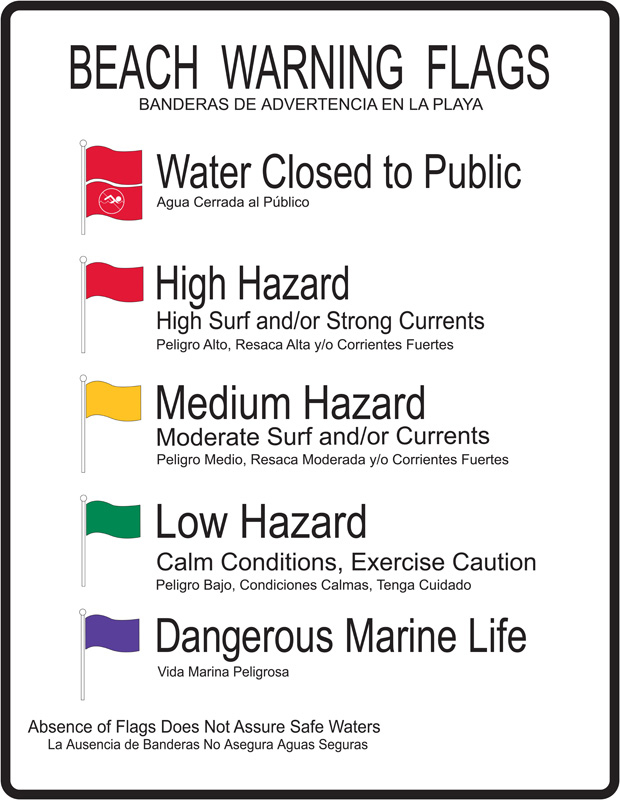
Florida’s beach warning flag program adheres to the color standards established by the International Lifesaving Federation, with additional symbols to clarify the meaning of each flag. To further enhance understanding, interpretive signs explaining the flag system are placed along participating beaches.
Subject to available funding, the state provides warning flags and interpretive signs at no cost to local governments that manage public beach access. In return, those local governments are responsible for the proper installation, use, and maintenance of the flags and signage. All public beaches that use warning flags must comply with Florida’s uniform system to ensure statewide consistency and maximize public safety. This is an example page. It's different from a blog post because it will stay in one place and will show up in your site navigation (in most themes). Most people start with an About page that introduces them to potential site visitors. It might say something like this: